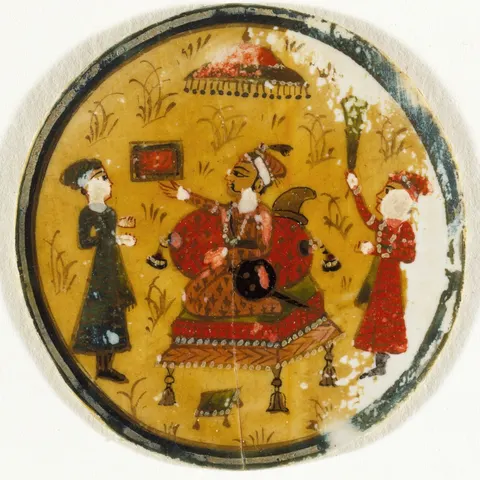
In 1514 a poet wrote 96 love poems, one for every card in a ganjifa pack. They say almost nothing about how to play.
Ganjifa: The Playing Cards of India, von Leyden (1981), p. 7
GanjifaSmall surprises from the history of India's round, painted cards. Every one comes from a book, and the page is given.
In 1514 a poet wrote 96 love poems, one for every card in a ganjifa pack. They say almost nothing about how to play.
Ganjifa: The Playing Cards of India, von Leyden (1981), p. 7
Ganjifa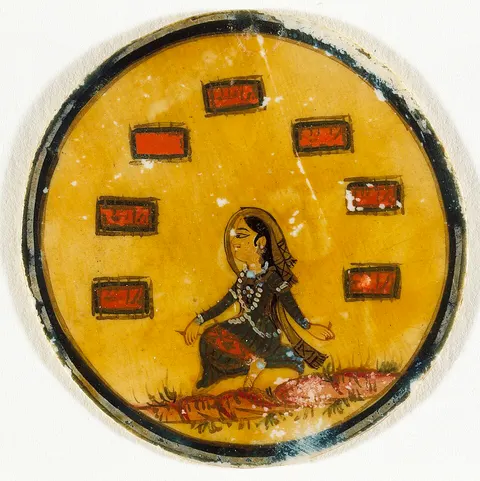
In 1527 the emperor Babur, busy conquering India, still found time to send a pack of cards to a friend.
Ganjifa: The Playing Cards of India, von Leyden (1981), p. 11
Ganjifa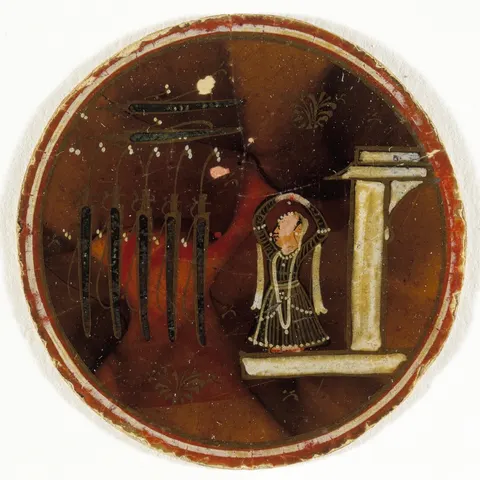
At one royal party in 1545, twelve players sat down with 20 cards each: 240 cards on the carpet at once.
Ganjifa: The Playing Cards of India, von Leyden (1981), p. 11
Ganjifa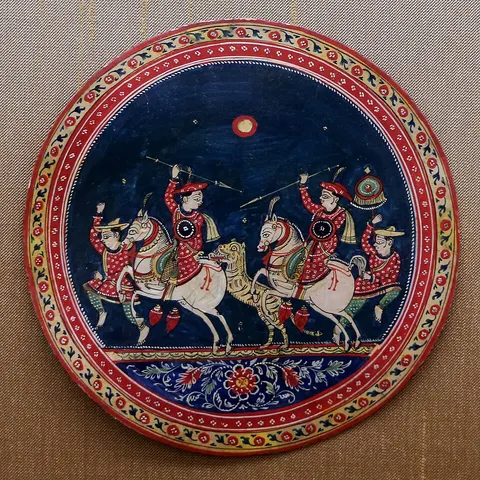
Emperor Akbar redesigned a pack because he thought its twelve kings looked too much alike.
Ganjifa: The Playing Cards of India, von Leyden (1981), p. 11
Ganjifa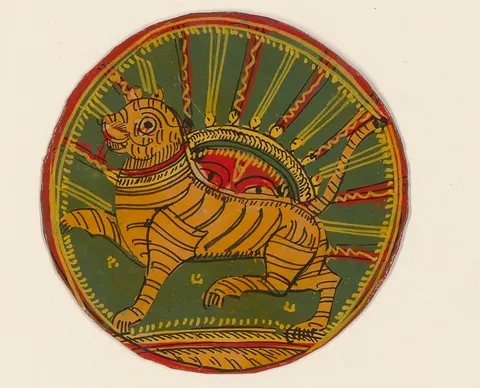
In Persia, a stern shah banned ganjifa in the 1600s and it disappeared there. In India it kept growing.
Ganjifa: The Playing Cards of India, von Leyden (1981), p. 11
Ganjifa Forget to play your best card when its suit is led and it gets "burned": it drops to the bottom of its suit.
Ganjifa: The Playing Cards of India, von Leyden (1981), p. 52
How ganjifa was played Ganjifa has no trumps at all. Dummett thought trumps were a European invention unknown anywhere else.
Ganjifa: The Playing Cards of India, von Leyden (1981), p. 51
How ganjifa was played Ganjifa goes round the table the opposite way to a clock, just like old card games in Italy and Spain.
Ganjifa: The Playing Cards of India, von Leyden (1981), p. 51
How ganjifa was played Two old ganjifa games are called Hamrang and Ekrang. A Maharaja wrote down their rules in 1922.
Ganjifa: The Playing Cards of India, von Leyden (1981), p. 50
How ganjifa was played
In 1885 one writer argued that saying a god's name at the card table, even as a joke, washed your sins away.
Ganjifa: The Playing Cards of India, von Leyden (1981), pp. 21–22
Dashavatar Ganjifa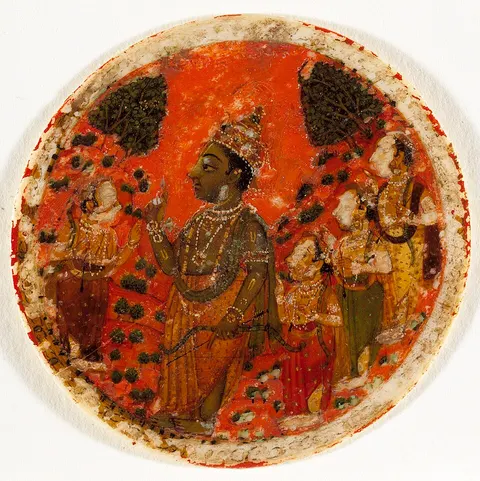
In the palace of Mysore, a single pack of cards could hold 360 cards.
Ganjifa: The Playing Cards of India, von Leyden (1981), p. 26
Dashavatar Ganjifa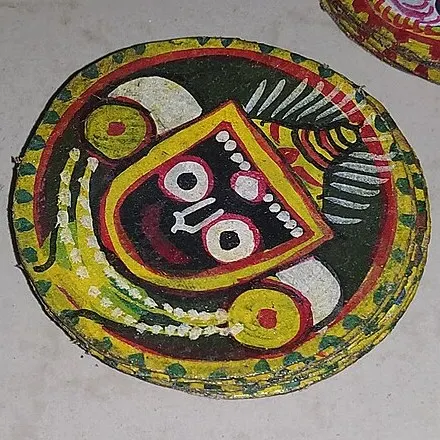
At Puri someone misheard the suit name gulam as gulab, rose-water, so that suit's sign became a red flower.
Ganjifa: The Playing Cards of India, von Leyden (1981), p. 18
Ganjappa In Odisha the gold and silver suits are called the sun and the moon.
Ganjifa: The Playing Cards of India, von Leyden (1981), p. 16
Ganjappa